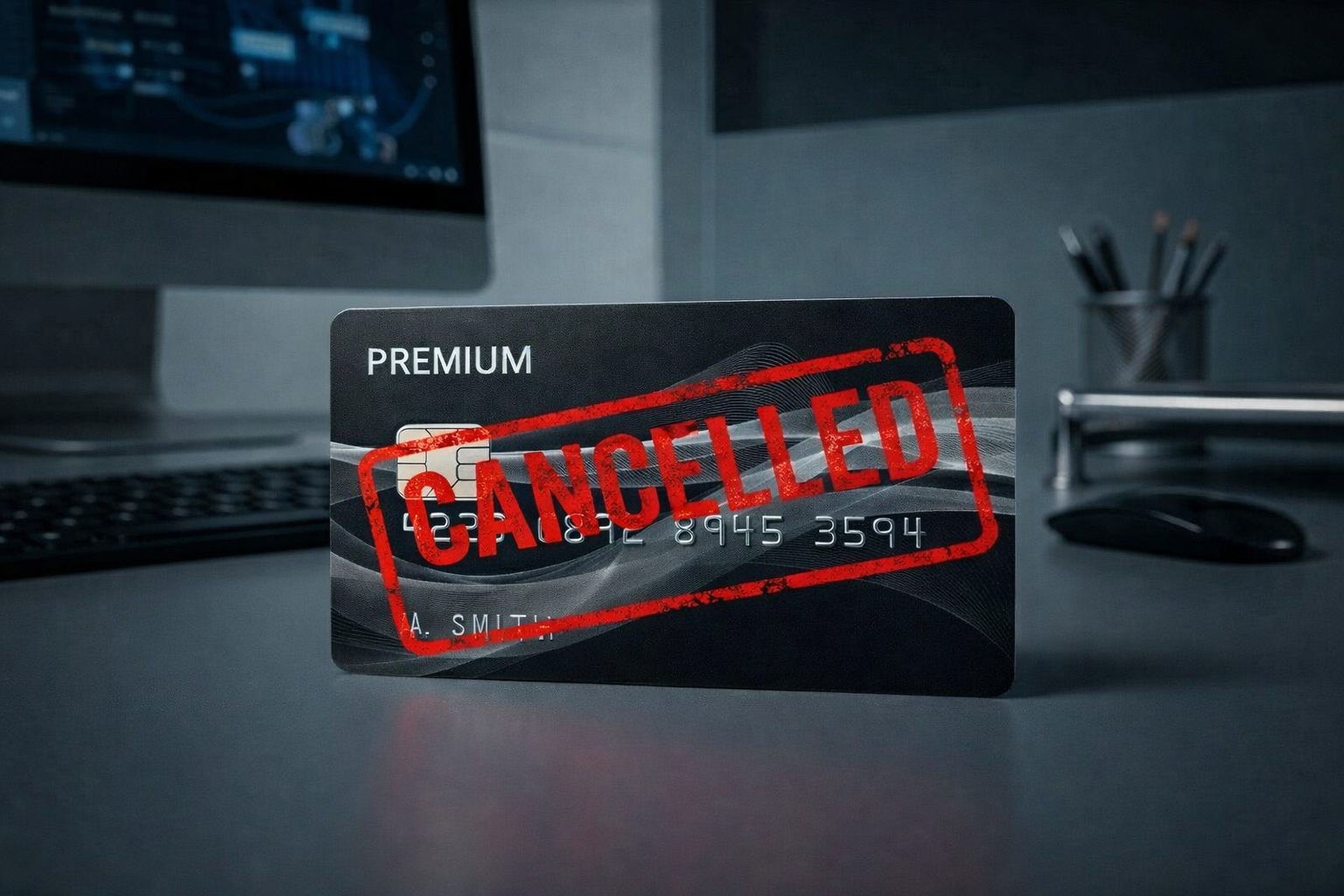
American Express closed a significant number of accounts in late March 2026. If you carry Amex cards, here is what triggered those closures, how to tell whether your account is at risk, and what to do if you receive a closure notice.
The short answer: the two patterns that drove March closures were high-volume buying group activity and US-issued cards with concentrated international spend, particularly heavy use in China. If neither describes your spending, your account is almost certainly not at risk.
What Happened in March 2026
A wave of Amex account closures was reported starting March 26, 2026, confirmed by multiple published reports from cardholders across forums and financial communities. Amex did not make a public announcement, but the pattern became clear from the accounts affected: members with high-volume resale activity and US cardholders with unusually heavy international spend in specific regions saw the highest rate of closures.
Amex has run similar enforcement waves in the past. This one was notable for two specific patterns that had not previously driven closures at this scale: organized buying group participation and geographic spend concentration.

What Triggers an Amex Account Closure
Amex’s cardholder agreement reserves the right to close accounts “for any reason,” but enforcement follows identifiable patterns. Based on the March 2026 wave and Amex’s published terms, the most common triggers are:
Buying Group Participation
Buying group activity means purchasing products in bulk for resale through organized groups that coordinate card spend to manufacture sign-up bonus spend. Amex has been escalating enforcement against this practice for several years. The March wave appears to reflect automated detection that improved significantly, flagging accounts that previously passed review.
If you have participated in buying groups, gift card liquidation at scale, or manufactured spending techniques, your risk is elevated. Amex treats this as a violation of its rewards program terms even when the underlying purchases are legitimate.
Geographic Spend Anomalies
US-issued Amex cards with heavy international spend concentrated in specific regions, particularly mainland China, saw elevated closure rates in March 2026. This appears linked to Amex’s anti-fraud monitoring rather than a policy change, but the effect was the same: accounts flagged for unusual geographic patterns faced review and, in many cases, closure.
Ordinary international travel does not trigger this. The pattern flagged was persistent, high-volume spend from US-issued cards in specific markets that Amex’s systems correlate with elevated fraud and resale activity.
Other Known Risk Factors
Beyond the March-specific patterns, Amex’s historical enforcement has also targeted:
- Gift card purchases in amounts or frequencies inconsistent with personal use
- Multiple accounts opened in quick succession to chase welcome bonuses repeatedly
- Charges that Amex’s systems identify as likely resale inventory
- Accounts where spend patterns change dramatically after a welcome bonus is earned
Having multiple Amex cards does not automatically flag your account. Having multiple Amex cards with unusual spend patterns across all of them does.
What to Do If You Receive a Closure Notice
If Amex closes your account, here is the standard sequence:
- Request reconsideration. If you receive a closure notice, the standard practice is to request reconsideration in writing within 30 days. Call the number on the back of your card or the number listed in the closure notice. Be prepared to explain your spend patterns clearly. Amex sometimes reverses decisions for accounts that were flagged incorrectly.
- Redeem your points immediately. Amex Membership Rewards points in a closed account are typically forfeited, but you have a window to redeem them. If your account is closed, log in and redeem any remaining points before the account is fully deactivated. Call customer service if the online portal is unavailable.
- Check your other Amex accounts. A closure on one Amex card sometimes precedes review of your other cards. Check your remaining accounts and monitor for any unusual alerts.
- Address the credit impact. A closed account reduces your available credit, which can affect your utilization ratio. If the impact is significant, give it 30 to 60 days before applying for replacement cards, and check your credit reports to confirm the closure is listed accurately.
How to Protect Your Account Going Forward
The safest profile is a cardholder who uses their card for genuine personal or business spending. That sounds obvious, but it is the clearest line Amex draws. A few specific practices that reduce risk:
- Keep spend patterns consistent. Amex monitors spend velocity, merchant category patterns, and geographic anomalies. Dramatic changes in spending behavior, especially around bonus anniversary dates, draw attention.
- Avoid large gift card purchases at retailers that code as gift cards. Amex’s systems flag this. Small, occasional gift card purchases are fine. Recurring large purchases are a risk signal.
- Do not use US-issued cards primarily for international spend. If you live or work internationally, a locally-issued card is a better fit. US-issued Amex cards with the vast majority of spend outside the US are a pattern mismatch that Amex’s fraud systems flag.
- Diversify issuers. For cardholders with many Amex cards, this wave is a reminder that a single issuer relationship carries concentration risk. Having cards across Chase, Citi, and Capital One as well reduces your exposure if any one issuer changes its enforcement posture.
Is the Amex Gold or Platinum Still Worth Applying For?
Yes, for typical cardholders. The March 2026 closure wave was targeted, not broad. Amex remains one of the most rewarding issuers for the right spend patterns:
- The Amex Gold Card earns 4x at U.S. restaurants and supermarkets with no category caps on dining (supermarkets capped at $25,000/year, then 1x). Annual fee is $325, offset by $120 in dining credits and $120 in Uber Cash per year. Verified as of 2026-03-22.
- The Amex Platinum Card earns 5x on flights booked directly with airlines or through Amex Travel, and 5x on prepaid hotels through Amex Travel. Annual fee is $895, offset by $200 hotel credit, $200 airline fee credit, lounge access, and other credits. Verified as of 2026-03-22.
Neither card is at risk for ordinary use. The accounts that were closed in March 2026 were operating outside of normal cardholder patterns. If you earn points through legitimate everyday spending, this enforcement wave does not affect you.
Bottom Line
The March 2026 Amex closure wave was triggered by buying group activity and concentrated international spend patterns, not general cardholder behavior. For typical Amex cardholders, the practical response is to make sure your spend patterns are consistent and genuine. If you did receive a notice, redeem your points immediately and request reconsideration in writing. The Amex Gold and Platinum remain strong cards for legitimate everyday use.
Frequently Asked Questions
Q: Will Amex close my account if I travel internationally a lot?
A: Ordinary international travel does not trigger closures. The pattern flagged in March 2026 was persistent, high-volume spend from US-issued cards concentrated in specific regions, not typical vacation or business travel.
Q: What happens to my Membership Rewards points if my account is closed?
A: Points in a closed account are typically forfeited. If your account is closed, log in immediately and redeem any remaining points. Call Amex customer service if you cannot access your account online.
Q: Can I reapply for an Amex card after being closed?
A: Amex typically bans cardholders whose accounts were closed for policy violations from reopening accounts, though the enforcement window is not publicly defined. If your account was closed incorrectly, the reconsideration process (calling within 30 days) is your best option.
Q: Is it safe to use my Amex card for Amazon purchases or other online shopping?
A: Yes. Standard online retail purchases are normal cardholder behavior. The risk patterns are large-volume gift card purchases, resale activity, and geographic anomalies, not typical Amazon or online shopping spend.
Q: Should I reduce my Amex card count to lower risk?
A: Having multiple Amex cards is not itself a risk factor. Using multiple Amex cards with patterns that collectively look unusual is. Focus on consistent, genuine use rather than reducing card count.